
Who pays at checkout?

Can pet insurance pay your vet directly?

Find out whether direct payment means checkout settlement or a later claim payment to the clinic.

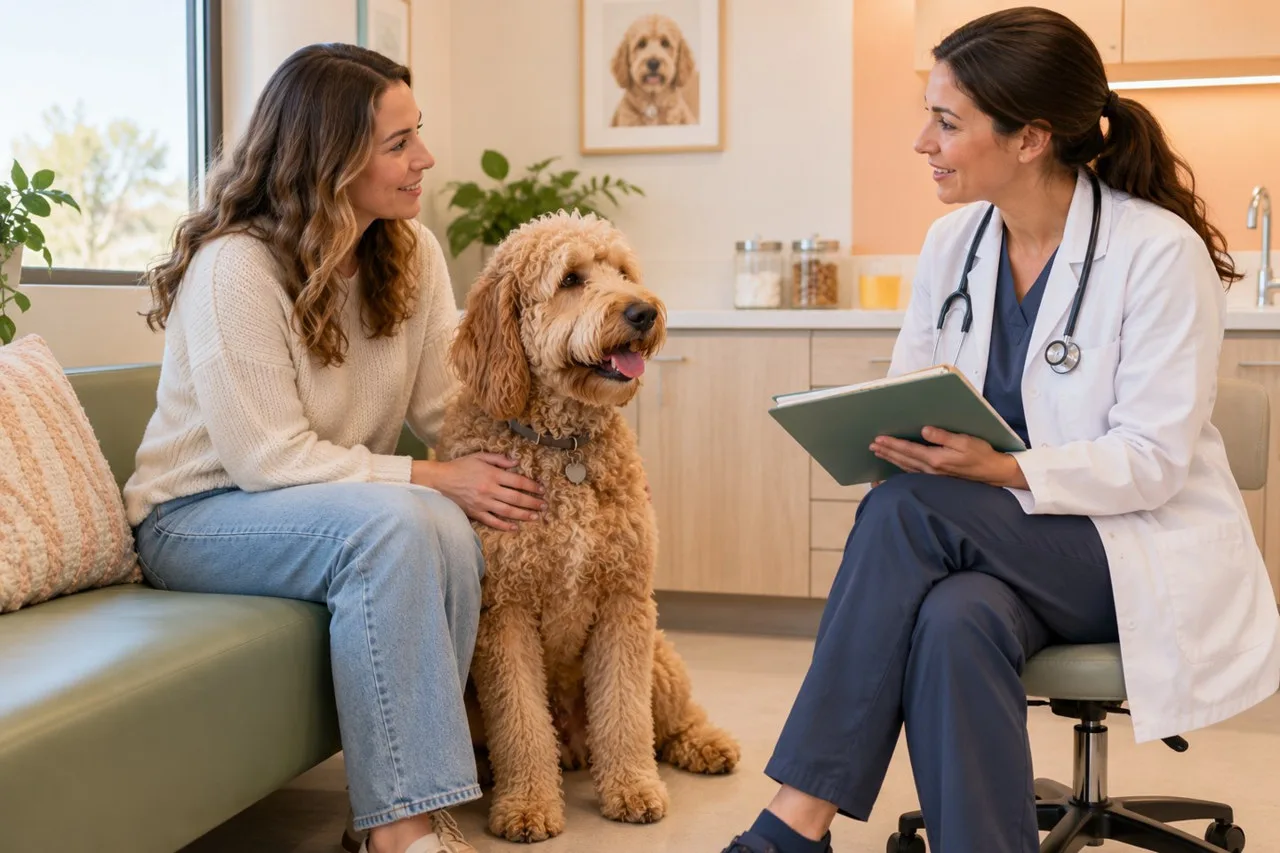
Owner speaking with a veterinarian holding a folder beside a curly-coated dog
✓ Policy-first ✓ Independent ✓ Useful checks
Direct answer
Yes, some pet insurers offer payment directly to a veterinarian, but the arrangements differ. Trupanion describes payment at checkout through accepting providers; Pets Best describes sending approved reimbursement to the vet after processing a claim and signed release. Either route still depends on coverage and the clinic’s arrangements. “Direct” does not mean the owner owes nothing.
What to know

Two payment routes with different cash requirements

Route What happens What you must confirm
Direct payment at checkout The clinic submits the bill through an available insurer process and an eligible payment can go to the clinic. The location participates, the process is working, and the claim can be decided while you are there.
Reimbursement assigned to the clinic The insurer processes a claim and sends the eligible payment to the vet instead of to you. The clinic agrees to that arrangement and specifies any deposit or balance due before processing finishes.
Ordinary owner reimbursement You pay the clinic, then seek payment for eligible costs under the policy. You can advance the required amount and provide the claim documents.

These are payment workflows. They do not broaden the underlying coverage or bypass waiting periods, exclusions or medical-record review. A direct-payment feature that cannot be used at your emergency hospital may not solve the cash-flow problem you are trying to avoid.

What to know

What the named providers actually describe

Trupanion’s official veterinarian page describes VetDirect Pay at checkout and provides a way to find accepting providers. Confirm the exact clinic location, not just the name of a veterinary group. Ask the clinic what it would require if the insurer cannot decide the claim immediately.

Pets Best says its Vet Direct Pay option requires a signed Veterinarian Reimbursement Release Form submitted with the claim. Once processed, eligible reimbursement goes to the clinic. This should not be read as a promise that the front desk will release you without payment while the claim is still being reviewed.

It is not presented here as a direct-to-vet solution. Fast reimbursement, where available, would still be different from the insurer paying the clinic at checkout.

What to know

Confirm the arrangement before relying on it

  • Ask the actual treatment location whether it accepts the named insurer’s direct-payment process.
  • Find out who submits the claim and whether a consent or release must be signed.
  • Ask what deposit you owe and what happens if review requires additional records.
  • Request an estimate that separates potentially eligible treatment from known owner-paid items.
  • Check whether an after-hours or referral location uses the same arrangement.

Write down the clinic’s answer and keep it with the insurer’s instructions. A directory entry is useful for locating a provider, but a current conversation with the billing team is better for understanding the appointment’s payment requirement. If your pet needs emergency care, seek care first and discuss payment with the team promptly.

What to know

The owner’s balance remains part of the plan

Suppose a fictional clinic bill is $1,800 and the insurer confirms a $1,100 direct payment. The remaining clinic balance is $700, assuming no other payment or adjustment. That arithmetic does not tell you why $700 remains: the explanation of benefits should show the deductible, percentage share, excluded services or exhausted limits that produced it.

If the $1,100 is only an estimate, treat the final balance as unresolved. Ask who pays any difference after adjudication and when it becomes due. Avoid promising the clinic an insurer payment that has not been approved.

A clinic’s own installment plan or financing product is a separate agreement. It can carry charges and repayment obligations even if an insurance claim is denied. Do not confuse permission to pay later with insurance coverage.

Claims

If payment is delayed or the claim is disputed

Request the insurer’s written explanation and identify the missing document or disputed policy provision. Send the correct record through the required channel and track the claim reference. Separately ask the clinic what payment obligation remains while the issue is reviewed.

An appeal or additional record submission does not itself suspend a bill. Keep the insurer’s decision, the clinic invoice and any payment arrangement together so the same charge is not paid twice or overlooked.

When buying a policy, test this situation as well as the ideal checkout experience. The best operational fit is the arrangement you can manage when immediate direct payment is unavailable, not just when everything works smoothly.

Evidence

Sources and policy context

These public references support the consumer or veterinary context. Named insurer details were checked in official product materials; the policy offered for your pet and state determines the actual terms.

Next step

Compare Current Pet Insurance Rates

Check current options for your pet and location, then compare the policy details, exclusions, costs, and eligibility before choosing.

Compare the policy before you choose Check the actual offer, exclusions and out-of-pocket terms.
See Rate Options